
Haircare often feels like a maze of products, promises and contradictory advice, but beneath all the noise there is a gentle, universal truth: every hair concern, from frizz to breakage to thinning to dryness, is ultimately the result of a few fundamental imbalances. When you learn to read these signals rather than fight them, hair stops being a struggle and begins to respond in ways that feel almost effortless. Healthy hair isn’t an accident; it’s the natural outcome of listening to what your strands are asking for and offering support with intention instead of overwhelm.
Every strand of hair carries its own story a record of how you style it, wash it, treat it, stress it or neglect it. Heat can leave invisible cracks, dyes can weaken the internal structure, friction can raise the cuticle, and a dry climate can rob it of moisture long before you notice the signs. Meanwhile, your scalp, which is living and reactive, can easily become irritated, oily, tight or flaky depending on stress, hormones, water quality or even seasonal shifts. Understanding these sources gives you clarity: hair problems are never random, they are simply expressions of imbalance.
Why Every Hair Problem Returns to Moisture, Strength and Scalp Health
When hair looks dull, frizzy or lifeless, it’s usually dehydrated. When it breaks, snaps or sheds more than usual, its protein structure is likely weakened. When it becomes greasy too quickly or itchy without warning, the scalp is sending distress signals. Hair problems seem endless, but almost all of them come back to these three pillars: moisture, protein and scalp health.
Moisture is what gives hair flexibility, softness and shine; without it, the surface becomes rough, the cuticle lifts, and strands begin to behave unpredictably. Protein is the architectural support that keeps hair strong; when it’s depleted, the strand loses elasticity, becomes overly stretchy or limp, and breaks with the slightest stress. The scalp is the soil from which every hair grows; when it’s imbalanced, the lengths eventually mirror that imbalance in the form of shedding, oiliness or dryness.
Once you understand this, every hair problem begins to make sense.
The Only Haircare Habits That Truly Matter
- detangling gently from ends to roots to prevent unnecessary breakage
- washing with warm (not hot) water to protect the cuticle
- drying with a soft microfiber towel rather than rough cotton
- using protective products before any heat styling
- sleeping on satin to reduce nightly friction and frizz
- applying oils or serums to seal moisture and boost shine
- trimming regularly so split ends don’t travel upward
- These simple habits solve more hair problems in the long run than most treatments ever could, because they prevent damage instead of trying to mask it afterward.
How Dryness, Frizz and Dullness Are All Connected
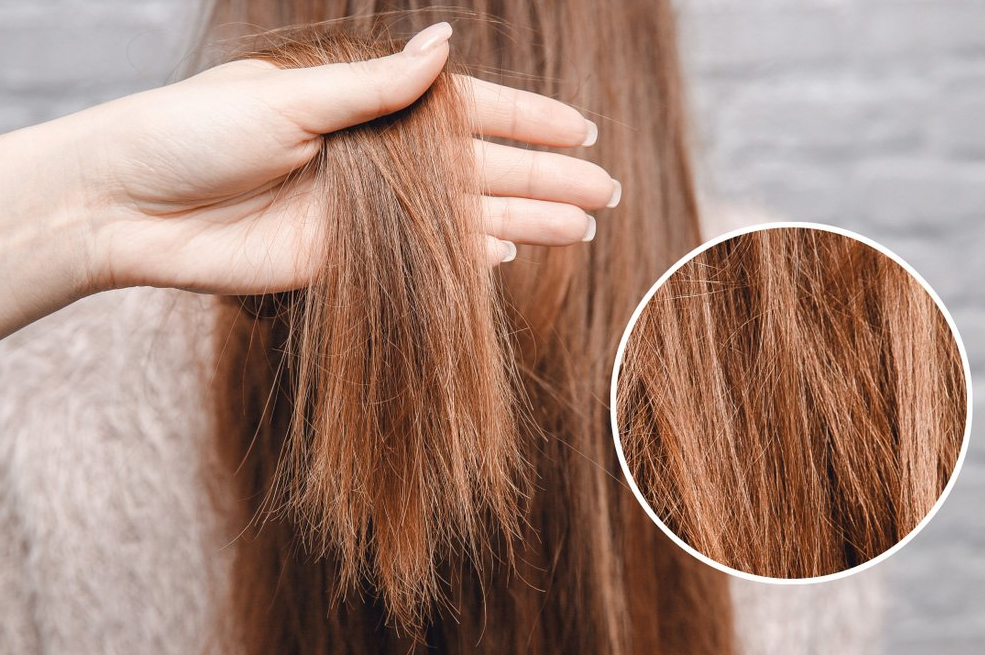
Dry hair is fragile hair. When moisture escapes, the cuticle which should lie flat starts lifting, causing frizz, static and a dull, rough texture. You may notice tangling that wasn’t there before, ends that feel stiff, or a lack of softness no matter how often you brush. This often happens due to heat styling, weather changes, harsh shampoos, over-washing or simply not sealing in hydration after the shower.
To repair this, imagine moisture as water and oils as the lock that keeps that water inside the strand. Hair becomes smoother when hydration is applied and locked in intentionally, not when layers of heavy products are added without a system. Soft, glowing hair is always a harmony between moisture entering the strand and sealing it so it cannot escape.
Why Breakage Happens Long Before You Notice It
Breakage is one of the most misunderstood issues. Most people only notice it when small pieces appear on shoulders or brushes, but it begins much earlier at a microscopic level. Heat weakens the inner bonds. Bleach dissolves structural proteins. Tight ponytails cause repetitive stress. Even brushing wet hair roughly can create long-term damage.
When hair breaks, it’s not a sign of failure; it’s a sign of fatigue. Your strands have simply endured more stress than they were strengthened for. The solution is never just repairing; it’s rebuilding the internal structure with protein in careful, occasional doses, and reducing stressors that tear down what you’re trying to restore.
Understanding Limpness, Flatness and Hair That Won’t Hold Shape
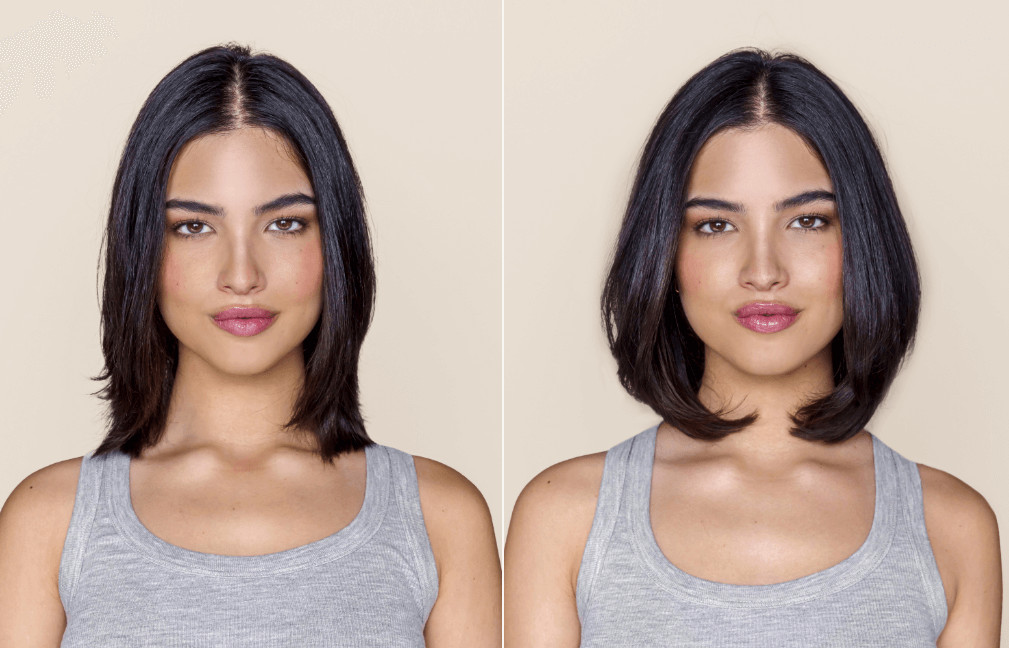
When hair becomes too soft, stretchy or shapeless, it’s often because it has more moisture than strength. This sounds unusual, but water, oils and conditioners, when overused without protein balance, can leave hair so saturated and slippery that it loses structure. The strand can stretch excessively when wet, fall flat after styling or feel overly silky but not strong.
Reintroducing protein slowly through treatments or balanced conditioners helps rebuild the internal spine of the hair, giving it life, bounce and memory again.
The Scalp Problems No One Talks About Enough
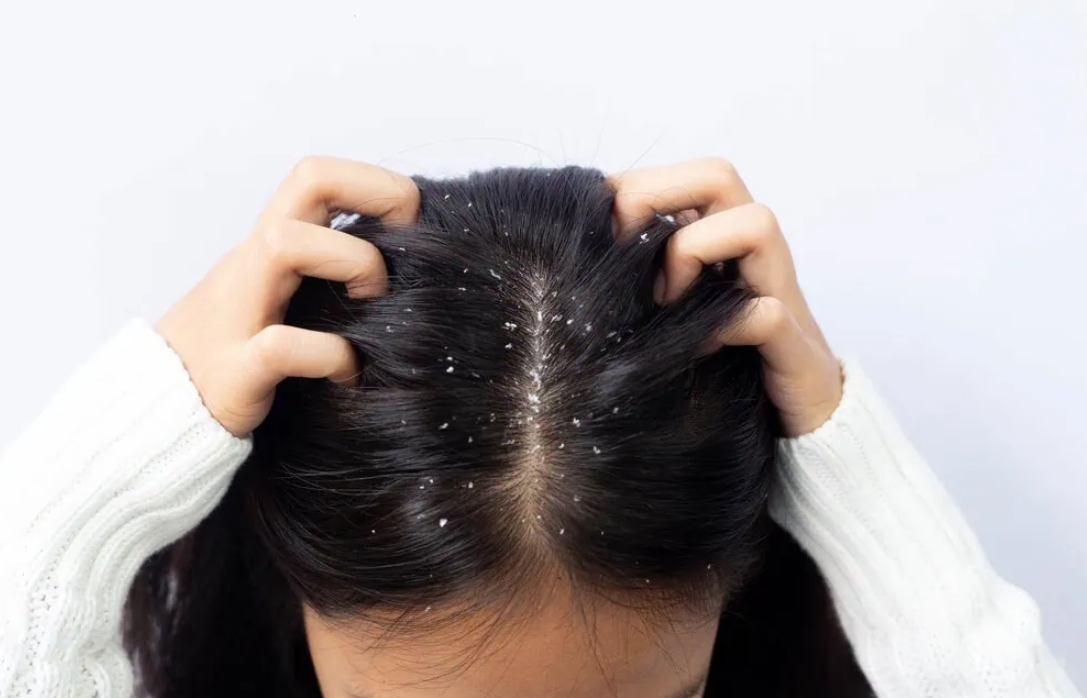
A dry, tight or flaky scalp can cause dullness and breakage. An oily one can cause limp roots and quicker buildup. Sensitivity can cause itching, which leads to scratching, which leads to inflammation and disrupted follicles. Stress, diet, hormones and water quality all influence the scalp far more than people realize.
A balanced scalp produces hair that is strong, shiny and resilient; an imbalanced one quietly sabotages everything you apply. Scalp health is the root of every good hair day; literally.
Heat Damage, Sun Damage and Invisible Stressors You Don’t See
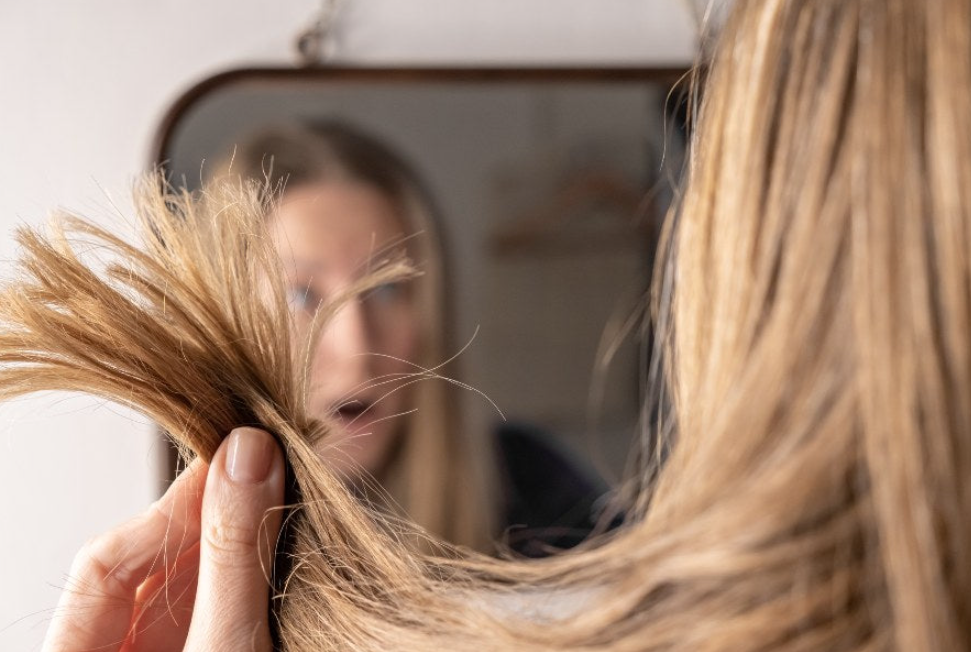
Every day, hair survives dozens of small stressors. UV rays fade and weaken it. Heat tools break inner bonds. Hard water leaves mineral deposits that block moisture. Pollution makes hair rough and harder to manage. Even the simple act of rubbing your hair with a towel can create microscopic tears.
Protecting the cuticle from these stressors is the gentlest, most effective long-term form of haircare. That means heat protectants, SPF for hair, softer fabrics, protective hairstyles and mindful brushing small acts that keep the cuticle intact so shine stays natural and effortless.
Truly Healthy Hair Comes From Understanding, Not Overdoing
The most beautiful hair doesn’t come from the most expensive products or the longest routines; it comes from balance. It comes from knowing when your hair needs moisture and when it needs strength, when it’s stressed and when it’s overtreated, when it needs gentleness and when it needs protection.
Healthy hair is a relationship, not a routine. It asks for attention, not perfection. When you learn to read its signals and support it with intention, every strand begins to reflect your care with softness, shine and strength that no quick fix could ever create.